

 Play video: Paint and carpet won't sell that condo
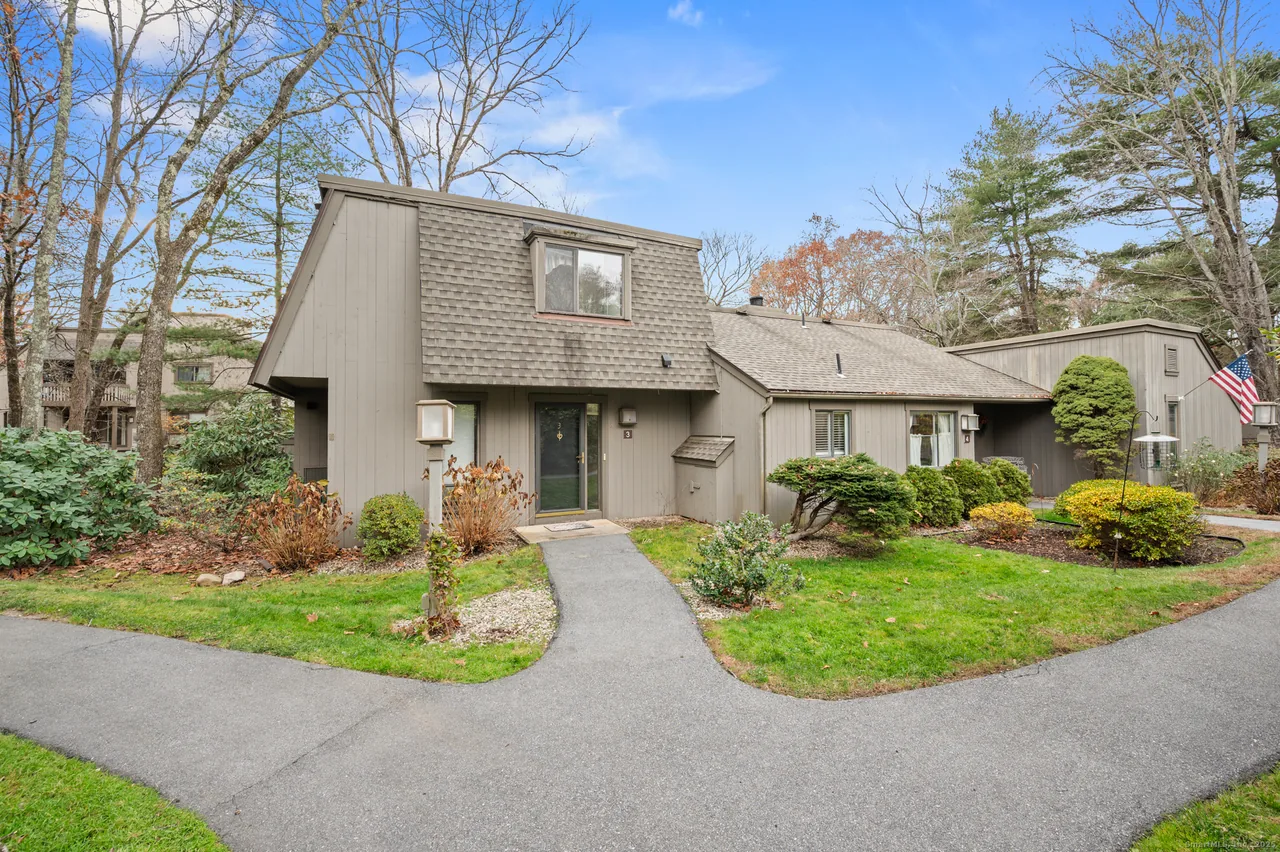
Why does a former rental need a different prep plan?
A condo that's been rented for years usually carries more wear than an owner-occupied place. Walls get marked. Carpets flatten. Closets collect leftover hangers and boxes.
That doesn't mean the place is a project. It means the first impression has to work harder. Buyers walking a former rental are already wondering how it was treated. Clean, bright, and ready answers that before they ask.
I help sellers across Connecticut, mostly in Simsbury, the Farmington Valley and Hartford County. Most of the same prep rules apply to a condo as to a house. The association docs are the extra layer.
What should I fix before I list, and what should I skip?
Paint and new carpet are a strong start after a long tenant. Buyers notice walls and floors the second they walk in. Keep the colors light and neutral.
Then go after the small stuff: deep clean (closets, behind appliances, vents); replace tired outlet covers, dated light fixtures and worn knobs; fix dripping faucets, sticky doors, cracked caulk and burned-out bulbs. Check for odors too. Fresh paint helps, but it doesn't always erase every smell a long rental can leave.
What I'd usually skip: a full kitchen or bath remodel, unless recent sales in your complex already show updated kitchens and baths at a clear premium. You rarely get that money back dollar for dollar when the goal is a clean sale.
Clean, declutter, depersonalize: the three things I ask every seller to start with. Fix what a buyer's inspector will flag, and skip big remodels unless we've talked them through. More here: What should I do first to get my house ready to sell?
What condo paperwork should I pull early?
Before you list, gather the current budget and recent financials, reserve info if the association has it, meeting minutes, the declaration, bylaws and rules, and any notice of a special assessment. If the unit was a rental for years, also read the rules on rentals and owner occupancy. Buyers will ask.
Connecticut sellers fill out a property condition disclosure report based on what they actually know, and buyers get it before signing (Conn. Gen. Stat. § 20-327b). For a condo, that covers the unit you know. Ask your attorney if you're unsure what you need to disclose about common elements.
How should I price a condo so it doesn't sit?
We only have one chance at a first impression. When we hit the market, buyers tend to think "What do I have to do to get this home?" But if we price it wrong and it sits, buyers start thinking "What can I get this for?" and how much less they can offer.
Your price starts with recent sales of comparable units near you, then adjusts for condition, updates and timing. For a condo, the best comps are usually other units in the same complex, adjusted for floor, parking, end unit vs interior, and finishes. Listing high "to test the market" usually backfires. Pricing it right from the start puts you in the strongest spot.
Start here: What's my home worth?
Is early 2027 a good time to list, or should I wait for spring?
It's a choice. Neither path promises a higher offer.
Listing in the quieter winter stretch can mean fewer other condos for buyers to compare yours against, and the buyers who are out then are often pretty serious. Waiting into spring can mean more buyers looking, and also more listings on the board. More traffic is not the same thing as a higher price.
Pull the recent condo sales near you before you lock a list date, and pick a window that fits your life. Carrying costs while you wait add up. See: Cost to sell a house in CT
What about capital gains on a rental condo?
Talk to your CPA. I'm a REALTOR®, not a tax advisor, and I won't guess at your numbers. After a decade as a rental, your tax picture can look different from selling a primary home. Get that conversation on the calendar before you list.
Not tax advice. Talk to your CPA.
Frequently asked questions
Do I need new paint and carpet before I list a former rental?
Often yes, or something close. After a long tenant, walls and floors are what buyers see first. Light, neutral paint and clean flooring help the first impression.
Should I renovate the kitchen or baths to get more money?
Usually not, unless similar units in your complex already sold with updates at a clear premium. Fix what an inspector will flag instead.
What HOA documents do condo buyers ask for?
Budget, reserves, meeting minutes, bylaws and rules, and anything about special assessments. Pull them early.
Is it better to list a condo in winter or wait for spring?
Both have upsides. Winter can mean less competition. Spring can mean more buyers and more listings. Neither guarantees a higher offer.
Who should I talk to about capital gains on a rental property?
Your CPA. Not your real estate agent.
Thinking about selling a condo in Hartford County or the Farmington Valley?
I'll walk the unit with you, pull recent comps, and help you decide what to fix before photos.
See the seller guide What's my home worth? How to choose a listing agent Contact FredGeneral information only, not legal, tax or lending advice. Talk to your CPA about taxes, and to a Connecticut real estate attorney about your situation. Equal Housing Opportunity.